Steel Road Plates vs Composite Road Plates
In recent years, the debate between steel road plates and composite road plates (CRP) has sparked discussion among construction workers and manufacturers.
Steel road plates have been the go-to choice for covering manholes and construction holes for decades, thanks to their durability and load-bearing capacity. These qualities have made them a popular choice in the industry.
However, the introduction of composite road plates has created a divide, with some preferring them over traditional steel road plates.
This article explores the advantages and disadvantages of both steel and composite road plates, providing insight into the factors to consider when selecting the best option for your project.
Advantages of Steel Road Plates
Steel road plates have been a long-standing staple in the construction industry due to their numerous advantages over plates made from other materials.
Here are some key benefits of steel road plates:
- Durability
Steel is an ideal material for high-durability equipment. It does not warp, crack, split, or creep. Steel’s isotropic nature ensures consistent dimensional properties in every direction. Steel road plates are known for their robustness, withstanding heavy loads both laterally and vertically, making them highly durable under constant construction site stress.
- Cost-Effectiveness
Steel road plates are generally less expensive to produce than those made from other materials, making them a cost-effective choice for budget-conscious projects. In terms of upfront costs, steel road plates are a more economical option while offering unmatched resistance to wear and tear.
- Installation Speed
Steel road plates can be installed quickly compared to other materials. Once placed over a construction site hole, they are immediately functional, which is essential for time-sensitive applications.
Disadvantages of Steel Road Plates
Despite the many advantages steel road plates offer, there are some drawbacks that make them less suitable for certain applications.
- Weight Restrictions and Lateral Movement
Steel road plates are typically very heavy. Even the lighter modern versions are still much heavier than composite road plates. This weight can cause lateral movement, especially when the plates are not bolted down, posing challenges in certain situations.
- Health and Safety Concerns
The substantial weight of steel road plates can create environmental and safety hazards during installation and removal. Specialized heavy equipment, like cranes, is often required to handle the plates, increasing the risk of accidents for construction workers and compromising safety.
- Increased Installation Cost
The heavy weight of steel road plates demands more manpower and machinery for proper installation. Additionally, storage requires more space, lifting mechanisms, and manpower, adding to the overall cost, especially when plates are used at multiple locations. However, these costs may be justified depending on the project size and location.
- Noise Pollution
The rigidity of steel road plates contributes to noise pollution, particularly in high-traffic areas, adding an additional concern for job sites.
Advantages of Composite Road Plates
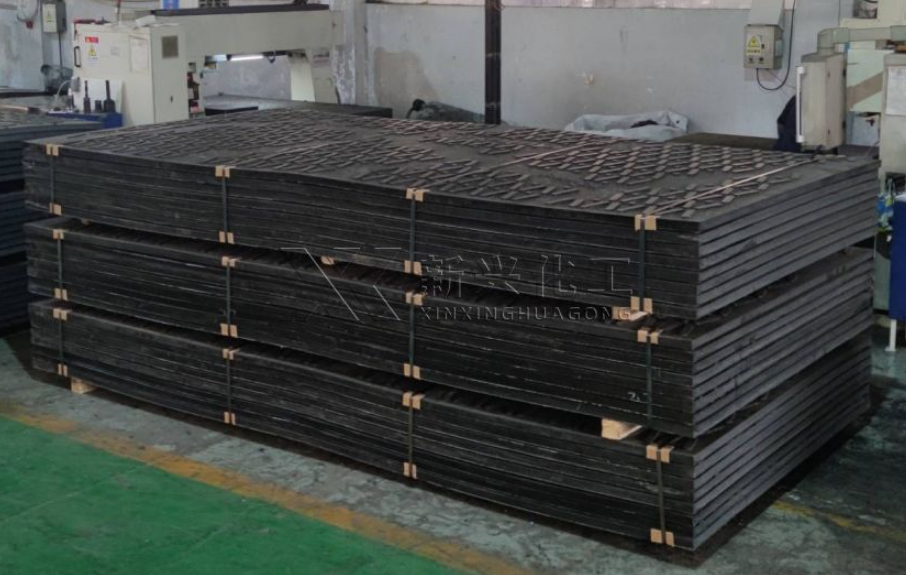
Composite road plates, made from a combination of rubber and fiberglass, are designed with rubber edges that reduce road noise and help them adhere to asphalt. Some plates feature lock drop pins to secure their position.
- Lightweight Design
The lightweight and modular nature of composite road plates is a key advantage, making them easy to handle and transport. This is especially beneficial for projects with weight restrictions, and they can handle lateral loads up to 44 tons.
- Easy Installation
Thanks to their light weight, composite road plates are easier to install, often eliminating the need for specialized equipment.
- Longer Lifespan
Composite road plates are more resistant to corrosion and rust, typically offering a longer lifespan than steel plates. While steel plates also last a long time, this trait is a significant benefit for composite plates.
Disadvantages of Composite Road Plates
- Lower Load Capacity
The lightweight design of composite road mats limits their ability to bear heavy loads, making them unsuitable for high-demand applications.
- Higher Initial Cost
Composite road plates tend to have a higher manufacturing cost compared to steel plates. However, they offer savings in installation and transportation costs.
- Susceptibility to Cracking
Composite road plates are more prone to cracking under extreme conditions, making them unsuitable for environments that subject them to constant high stress.
Conclusion
Both steel and composite road plates serve as effective solutions for temporarily covering manholes and other construction or hazard holes. The choice between them depends on factors such as load requirements, project duration, budget, and more. Understanding the advantages and disadvantages of each material will help you make an informed decision.
Regardless of the type of road plate selected, choosing one made from high-quality materials is essential for ensuring a safe and efficient work environment.


Comments
Post a Comment